Digital Marketing
Advertising on Hulu and Tubi: A Comprehensive Guide and Comparison
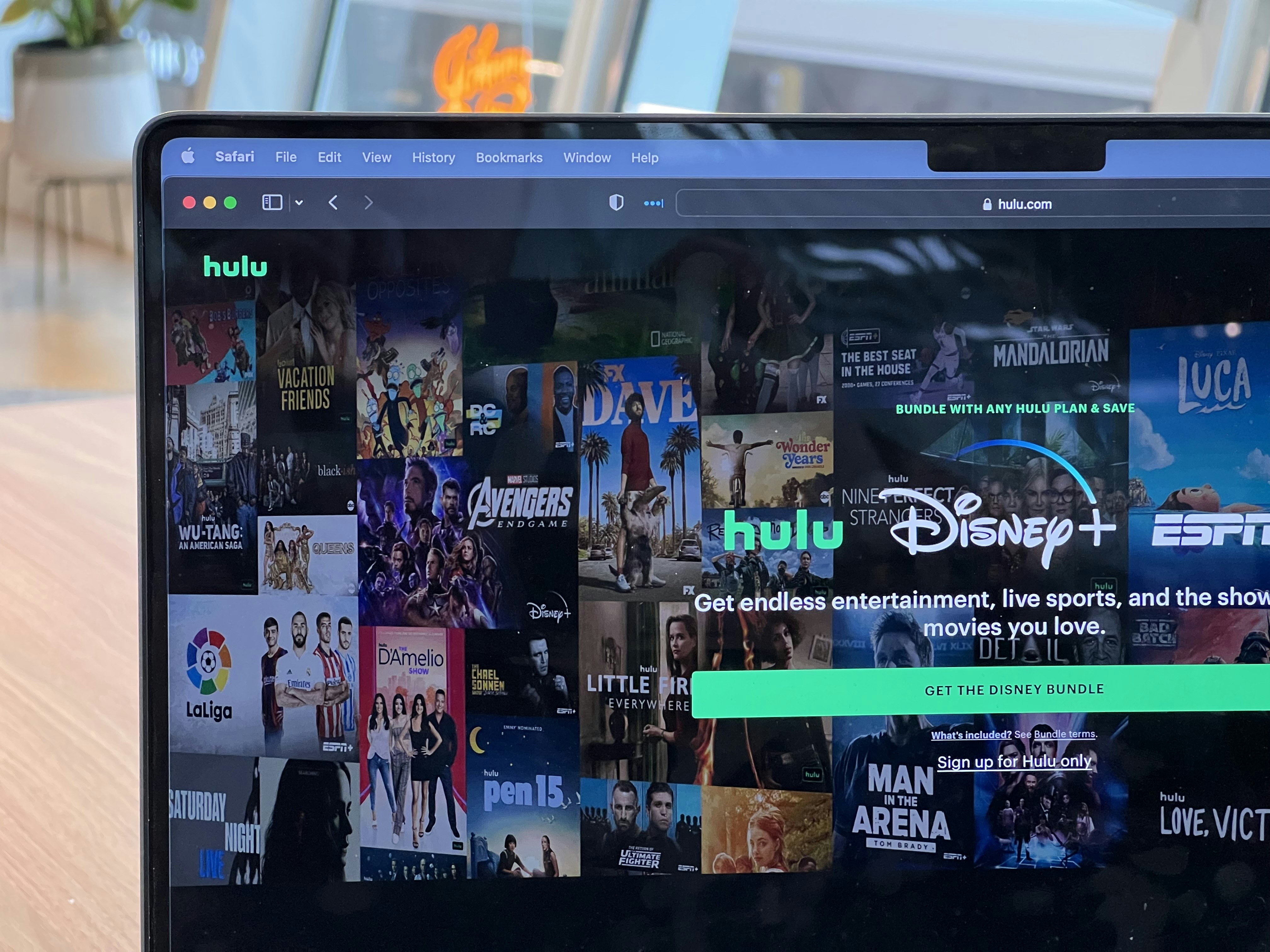
Introduction
In recent years, the advertising landscape has undergone a significant transformation, largely influenced by the rise of streaming platforms like Hulu and Tubi. As traditional television viewership declines, advertisers are increasingly shifting their focus to digital platforms to reach their target audiences. Advertising on Hulu and Tubi offers unparalleled opportunities for businesses to connect with viewers in a highly engaged environment.
Hulu, known for its extensive library of television shows and movies, has become a vital player in the streaming ecosystem. It caters to a diverse demographic, making it an attractive option for advertisers looking to capitalize on targeted advertising. Meanwhile, Tubi, a free ad-supported streaming service, has rapidly gained traction due to its accessibility and broad content variety. These platforms have transformed the way ads are presented and experienced compared to traditional forms of advertising, including commercials on television.
The growth of on-demand viewing has led to a significant shift in advertising strategies. Local service ads can benefit greatly from this change, as streaming services allow businesses to hone in on specific consumer interests and behaviors. Compared to Facebook, which has dominated social media advertising, Hulu and Tubi provide unique opportunities for immersive brand storytelling that is often absent from short-form social ads. Furthermore, when advertising on Tubi or Hulu, brands can effectively convey their messages without the clutter often associated with platforms like TikTok or Instagram.
Given the capabilities of Hulu and Tubi as advertising platforms, marketers must understand the nuances involved in crafting effective ad campaigns. This comprehensive guide will delve into the features, advantages, and strategies for advertising on these two platforms, offering valuable insights that can help businesses maximize their visibility in an increasingly competitive digital marketplace.
Understanding Hulu and Tubi Advertising Options
Hulu and Tubi have emerged as significant players in the digital advertising landscape, offering various options for marketers looking to reach their target audience effectively. Both platforms present unique advertising solutions, including video ads, sponsored content, and interactive ads.
When considering advertising on Hulu, brands can choose from different ad formats such as in-stream video ads, which appear before or during streaming content. Hulu provides advanced targeting capabilities, allowing advertisers to reach specific demographics based on age, gender, geographic location, and viewing behaviors. The platform’s access to subscriber data enhances these targeting options, making it a robust choice for marketers aiming to connect with defined audience segments.
Tubi, on the other hand, emphasizes a different advertising approach by offering a free ad-supported streaming service. The advertising options on advertising on Tubi include video commercials and branded content inserts. Tubi’s platform leverages viewer data to create targeted ad placements, offering advertisers insights into viewer demographics and engagement metrics. The versatility of ad formats, including interactive ads that encourage audience participation, provides a unique avenue for brands looking to enhance user engagement.
While both platforms offer a range of advertising formats, their audience demographics vary. Hulu’s user base tends to be younger, with a strong inclination towards original and exclusive content. In contrast, Tubi caters to a more diverse audience, appealing to both younger viewers and older demographics seeking free entertainment. Compared to Facebook, TikTok, Instagram, and Google Ads, both Hulu and Tubi offer distinct advantages in specific niches, especially for marketers focused on video content. By understanding the distinct advertising options available on Hulu and Tubi, businesses can make informed decisions about leveraging these platforms effectively.
Creating Effective Ads for Hulu and Tubi
Designing impactful advertisements for platforms like Hulu and Tubi requires a nuanced understanding of the user demographics and viewing habits that define each service. Although both are primarily video streaming platforms, the audience engagement levels and content preferences can vary significantly, necessitating tailored advertising strategies.
Video production is key to crafting ads that resonate with viewers. High production quality is expected, especially on Hulu, where audiences often watch premium content. For Hulu, utilize bright visuals and dynamic editing to elevate viewer interest, while ensuring that the video’s pacing aligns with common commercial breaks. In contrast, Tubi caters to a more diverse audience, so consider incorporating familiar and relatable themes that can create instant connections with viewers.
Messaging plays an equally vital role. Focus on concise and clear messaging that quickly conveys the value proposition of your product or service. For ads on Hulu, adopting a storytelling approach can build emotional connections—viewers may appreciate narratives that seem organic within the context of their favorite shows. On Tubi, where users might be in a more relaxed viewing mode, lighter and humorous tones often yield positive engagement, making it a favorable approach to attract attention.
A compelling call-to-action (CTA) is essential for both platforms. It should be easy for viewers to understand the next steps they should take after watching your ad. For Hulu ads, a direct CTA that encourages immediate engagement, such as a special promotion tied to the show currently airing, can be effective. For advertisements on Tubi, consider using a CTA that invites viewers to explore offers that align with their evolving interests as they engage with the varied content Tubi provides.
In conclusion, by focusing on high-quality production, clear messaging, and engaging CTAs, advertisers can create effective ads tailored to the specific characteristics and audiences of Hulu and Tubi, ultimately enhancing their advertising impact on these platforms compared to traditional digital media channels.
Cost Analysis: Advertising Spend on Hulu vs. Tubi
When deliberating on advertising options, businesses often consider the cost-effectiveness of platforms. In this regard, advertising on Hulu and advertising on Tubi present distinct pricing structures that cater to different budget needs and marketing strategies. To make an informed decision, it is essential to analyze the costs involved in each platform.
Typically, the cost per click (CPC) for advertising on Hulu may range from $5 to $30, depending on the target audience and the type of campaign. This higher CPC can be attributed to Hulu’s premium content and targeted reach capabilities. On the other hand, Tubi, being a free, ad-supported service, offers a more economical CPC, generally falling between $1 to $4. Such pricing makes Tubi an attractive option for businesses operating on lower advertising budgets.
In terms of cost per impression (CPI), Hulu’s rate often exceeds $30 per 1,000 impressions, reflecting its value proposition and viewer engagement. In contrast, Tubi can provide a CPI as low as $10 to $20 per 1,000 impressions, marking it as an efficient platform for advertisers seeking broad outreach without incurring significant costs. Consequently, potential advertisers must weigh the benefits of premium content against the budgetary constraints they face.
Additionally, it’s vital to consider the effectiveness of the ad spend on both platforms. With Hulu offering a higher concentration of targeted ads, the likelihood of achieving better conversion rates can justify the higher costs, especially when compared to advertising on Facebook or TikTok. Alternatively, Tubi allows brands to reach an extensive audience at a fraction of the cost, making it ideal for awareness campaigns.
In conclusion, when comparing advertising on Hulu to advertising on Tubi, the choice significantly depends on budget considerations and the desired outcome of the advertising campaign. Businesses must carefully evaluate their advertising objectives alongside each platform’s pricing to determine which option aligns best with their goals.
Measuring Ad Performance on Hulu and Tubi
Evaluating the effectiveness of advertising on Hulu and Tubi requires a comprehensive understanding of various performance metrics. The digital landscape is inundated with options, with these video streaming platforms offering unique features that can influence the success of ad campaigns.
One of the primary indicators of ad success is the engagement rate. This metric represents the level of interaction users have with the advertisement, encompassing clicks, comments, shares, and overall impressions. A high engagement rate suggests that the ad content resonates with the audience. Tools available on both Hulu and Tubi can measure these interactions, enabling advertisers to tailor their campaigns effectively.
Beyond engagement, the conversion rate is critical for understanding the impact of advertising. This metric tracks the number of users who take a desired action after viewing an ad, such as making a purchase or signing up for a newsletter. Analyzing the conversion rate can offer insights into the effectiveness of the ad’s call to action, particularly when comparing advertising on Hulu and Tubi against platforms like Facebook or Google Ads, each of which may yield different conversion dynamics.
Moreover, assessing the return on investment (ROI) is paramount for any advertising strategy. This metric calculates the profit gained from the advertisement relative to its cost. A positive ROI indicates that the campaign is generating more revenue than it is costing, a crucial metric for determining budget allocation among platforms like Tubi and Hulu versus alternatives such as TikTok or Instagram.
By closely monitoring these metrics—engagement rates, conversion rates, and ROI—advertisers can better understand the performance of their campaigns on Hulu and Tubi. These insights are essential for adapting strategies and maximizing the effectiveness of advertising efforts in today’s competitive advertising landscape.
Side-by-Side Comparison of Hulu and Tubi
When engaging in advertising on Hulu and Tubi, it is crucial to understand the differences in advertising spend versus feedback results. Both platforms offer unique advantages tailored to varying marketing objectives. In this section, we will examine how advertising on Hulu compares to advertising on Tubi, particularly focusing on the effectiveness, audience engagement, and potential return on investment.
Hulu, with its extensive library of on-demand content, attracts a diverse demographic, making it an appealing platform for advertisers seeking broader reach. The platform’s advanced targeting features allow marketers to reach specific audience segments efficiently, leading to higher engagement rates. Advertising on Hulu often employs a cost-per-impression model, which can lead to considerable advertising spend but also results in significant viewer interactions. Our data indicates that ads on Hulu tend to garner higher viewer recall and engagement metrics compared to traditional platforms such as Facebook or Google Ads.
Conversely, advertising on Tubi presents a more cost-effective alternative, highlighting its growing popularity in the competitive streaming landscape. Tubi’s ad inventory is often less saturated, which can result in lower costs per ad placement. This affordability allows advertisers to experiment with various ad formats and creative approaches, yielding informative feedback for future campaigns. Compared to Facebook or TikTok, Tubi provides a less cluttered viewer experience, potentially leading to better ad performance and brand visibility.
Both platforms provide advertisers with valuable feedback results, capturing metrics such as click-through rates and conversions. Incorporating visual aids like charts or graphs can further elucidate these comparisons, depicting how advertising on Hulu can excel in brand recall while advertising on Tubi thrives in affordability and audience engagement. Ultimately, the choice between Hulu and Tubi should align with the specific goals of the advertising campaign and the overall marketing strategy.
Case Studies: Local Service Ads on Hulu and Tubi
In exploring the effectiveness of advertising on Hulu and Tubi, case studies provide valuable insights into successful local service ad strategies. One notable example comes from a regional plumbing company that decided to use Hulu for its advertising campaign. This company crafted a brief but impactful ad showcasing their emergency services, emphasizing reliability and quick response times. They targeted audiences specifically within their service area through Hulu’s geo-targeting capabilities. The campaign ran for three months with a budget of $10,000. As a result, the company reported a 25% increase in service calls, highlighting how effective advertising on Hulu can translate directly into business performance.
On the other hand, a local landscaping business utilized Tubi for its advertising efforts. Their strategy involved producing a visually appealing thirty-second spot that highlighted seasonal promotions and customer testimonials. By using Tubi’s free and ad-supported model, the business accessed a broad audience without incurring the higher costs usually associated with streaming services. The campaign was executed over a two-month period at a cost of $7,500. The outcome showed a remarkable uptick of 40% in inquiries during the advertising period, demonstrating that advertising on Tubi can yield high engagement at a competitive price point.
These examples illustrate how local service businesses can effectively implement advertising strategies on Hulu and Tubi to achieve significant results. When compared to Facebook, TikTok, Instagram, or Google Ads, both platforms offer unique advantages for local services looking to reach targeted consumer demographics. In conclusion, understanding the performance metrics of successful ads on Hulu and Tubi can guide other local services in crafting their own effective advertising strategies tailored to these platforms.
Declaring a Winner: Which Platform Outperformed the Other?
When analyzing advertising on Hulu and Tubi, a clear winner emerges based on several critical metrics relevant to local service ads. It is essential to evaluate factors such as advertising spend, user feedback, and overall ad performance, which together paint a comprehensive picture of effectiveness.
Firstly, when comparing the costs associated with advertising on Hulu versus Tubi, it becomes evident that Tubi offers a more favorable return on investment for businesses seeking to maximize exposure on a budget. Tubi’s ad placements tend to be more cost-effective, allowing advertisers to reach a broader audience without incurring the higher premiums often associated with Hulu. Such financial efficiency is a significant consideration, especially for small businesses.
User feedback plays a crucial role in assessing the efficacy of these platforms. Surveys and reports indicate that viewers often find the ad experience on Hulu to be more engaging and relevant. However, Tubi has successfully built a reputation for providing a less intrusive ad environment, which resonates well with its audience. The lack of subscription costs on Tubi appears to contribute to a more relaxed viewing atmosphere, resulting in a positive perception of the advertising experience.
Performance metrics further elucidate which platform may be superior for local service ads. Hulu’s robust targeting options and premium content allow for higher engagement rates, which is significant for advertisers. However, those advertising on Tubi frequently witness impressive completion rates, indicating effective viewer retention throughout the ad duration.
Considering these elements—advertising expenditure, user feedback, and performance—Tubi stands out as a highly effective platform for local service ads. Its cost efficiency, combined with favorable audience sentiment and high completion rates, secures its position as a commendable choice in the competitive landscape of video advertising.
In conclusion, while both platforms have unique advantages, Tubi’s approach aligns closely with the needs of advertisers aiming for impactful local service advertising at an efficient cost.
Conclusion and Recommendations
In the rapidly evolving landscape of digital advertising, the choice of platform plays a crucial role in the effectiveness of marketing strategies. This comprehensive guide compared two significant players in the streaming space: Hulu and Tubi. Both platforms offer unique advantages that cater to different audience segments and advertising goals.
Hulu, with its robust subscription model and a rich library of content, provides brands with enhanced visibility and a premium audience experience. Advertising on Hulu can lead to greater engagement due to its extensive targeting capabilities and diverse viewer demographic. On the other hand, advertising on Tubi presents a budget-friendly alternative, especially appealing for brands with cost considerations. Tubi’s ad-supported model reaches a broad audience and allows for effective brand placement without compromising on viewer reach.
When comparing these platforms to traditional social media options such as Facebook, TikTok, and Instagram, as well as search engines like Google Ads, businesses must assess their specific marketing objectives. For brands looking to create an immersive viewing experience, Hulu may be the superior choice. Conversely, Tubi could serve those aiming for high reach without extensive spending.
To optimize advertising efficacy on either platform, it is recommended that brands start by delineating their target audience and establishing clear campaign goals. Leveraging ad analytics can further tailor campaigns to maximize impact. As market trends continue to shift towards streaming services, integrating programs on both Hulu and Tubi involves serious consideration. Evaluating performance regularly will ensure campaigns are adapting to viewer preferences, ultimately enhancing ROI.